![[Interview] Emily A. Sprague- “Cloud Time”|UNCANNY](https://uncannyzine.com/wp-content/themes/uncanny_v6/common/images/logo.svg)


- INTERVIEWSNovember/04/2025
-
[Interview] Emily A. Sprague- “Cloud Time”

Emily A. Spragueの最新作『Cloud Time』は、2024年秋のジャパンツアーで生まれた即興的な演奏体験を収めたアルバムであり、旅先でのひとときや出会いの記憶がそっと封じ込められている。収録曲は「Tokyo 1」「Osaka」「Nagoya」「Matsumoto」「Hokkaido」「Tokyo 2」「Each Story」と、ツアーの道程を辿るような章立てで構成され、聴く者をまるで旅の道筋に誘うかのような構成になっている。本作で彼女は、環境音楽や瞑想的音楽の手法を生かしつつ、個人的な体験と感覚を音像に閉じ込めることで、聴く者の時間をゆっくりと漂わせる。
今回のインタビューでは、この作品がSprague自身の音楽観や日々の経験にどのように結びついているのか、そして次なる創作への意欲について話を聞いた。
__2024年秋の日本ツアーは、あなたにとって長い時間をかけてようやく実現した旅だったと聞きました。プレスリリースでは、「音の白鯨(sonic white whale)」という言葉を使っていますが、当時の旅に向かう心境を、いま振り返るとどのように感じますか?
最初にジャパンツアーの準備を始めたときから、長い年月が流れました。その歳月とともに、私の人生も、心も、音楽と一緒に、さまざまな章を経験してきました。ですから、2024年の旅にどの音楽を持っていくかを選び、私自身が語る物語をコントロールすることは、とても複雑な作業に感じられたんです。私は、物事がいつもやって来て、去り、変化していく、そのあり方に敬意を表すため、このツアーでしか生み出されない即興の音楽を奏でることにしました。昨年、ツアーの準備をしているときに、この考えが自分のなかでとても自然に感じられたんです。
__プレスリリースでは、「即興は、これまでの私の音楽実践の柱であり、そのプロセスを通して、日本という国、空間、人々に出会いたいと思った」と述べていますが、即興演奏を通して「場所」と対話したという点がとても興味深いです。日本各地の空間や気候、聴衆の反応は、あなたの演奏にどのような変化をもたらしましたか?
私にとって即興演奏とは、身体や心、そして現実を生きている感覚をリアルタイムで音に翻訳していくことなんです。それは、その瞬間と、その瞬間に自分と共にあるすべてを讃える行為でもあります。私は家から遠く離れ、二度と会えないかもしれない人たちと空間を共有するという体験が、自分の感情や音楽にどのように影響するかに興味がありました。毎晩演奏する音楽の素材は、その日に起こった出来事や、その場を共有にする人たちのエネルギーから生まれていきました。そうしたすべてに自分の感覚を合わせて、自分の感情が語るままにしてみたいと思ったのです。私たちは、言葉を使わなくてもエネルギーを通して多くのコミュニケーションをしていると思うんです。そうしたやり取りが、音楽にどう影響するのか、そのことに関心があります。私は音楽を、もうひとつの人間の言語として向き合うのが好きなんです。
私は、音楽は「生きている」という体験そのものと深く結びついていて、自分の感情を理解し、他者とつながるための人間の総合的なちからの重要な一部だと信じています。
__『Cloud Time』は、環境即興(environmental improvisations)の記録として成立しています。プレスリリースでは、レーベルが「『Cloud Time』は、本質的に“環境音楽(kankyō ongaku)”の思想に触発されており、ポーリン・オリヴェロスの“ディープ・リスニング”と同じく広がりのある理念を持っている」と解説していますが、あなたの解釈を教えてください。例えば、その思想に、どのような共感や発見を感じましたか?
こうした哲学にはとても共感していて、私自身の音楽観にも影響を与えています。それは、音楽を人間の存在にとってごく自然な要素として捉えるという考え方です。たとえば、自然の音、身体や言葉が生み出す音、あるいは心が思考を通して現実を理解しようとする働き──そうしたものと同じように。私は、音楽は「生きている」という体験そのものと深く結びついていて、自分の感情を理解し、他者とつながるための人間の総合的なちからの重要な一部だと信じています。
__今回のライブでは、長年使ってきたシステムを“より自由に、より柔軟に”再構築したそうですね。技術的な側面を超えて、その「自由さ」はあなたの精神や音の在り方にどのような変化をもたらしましたか?
私は、自分の思考や感情、そしてその場のエネルギーに意識を向けて演奏するように、自分のセットアップもまた自分自身に依存するように設計しました。そのため、これまでのライブシステムとは違い、あらかじめプログラムすることはできません。それは少し怖さもありましたが、同時にとても解放的でもありました。制限がほとんどないからです。そして、演奏に没頭できたときには、何よりも満たされる感覚があります。今回は、“非同期ループ”と呼ばれる初期アンビエント音楽の技法を使いたいと思いました。ブライアン・イーノが『Music For Airports』で用いたことでよく知られている手法です。そこには、西洋のアンビエントの先駆者への敬意、そしてもちろん日本の環境音楽の潮流へのオマージュも込めています。そのどちらからも、私は大きな影響を受けているんです。
私は、人々とつながるものを作りたい──それこそが本当に大切なことです。もろさや不完全さは私にとってとても重要です。音で時間の一瞬を捉えることは、私にはとても美しく、神秘的に感じられます。その感覚からあまりにも離れすぎる音楽には、私は興味がないのです。
__編集やミキシングをほとんど行わず、「そのまま」を記録したことにも強い意志を感じます。音を“完成させる”のではなく、“その瞬間に留める”ことの意味を、どう考えていますか?
私は、音楽が人間らしさを保つことに強いこだわりを持っています。私たちは物事を完璧にしようとする誘惑に駆られすぎることで、自然の限界を超えて“完璧”の基準をどんどん高めてしまっていると思います。だからこそ、私の音楽の多くが生々しく、不完全であるのは、意図的な表現です。私は、人々とつながるものを作りたい──それこそが本当に大切なことです。音楽において、もろさや不完全さは私にとってとても重要です。音で時間の一瞬を捉えることは、私にはとても美しく、神秘的に感じられます。その感覚からあまりにも離れすぎる音楽には、私は興味がないのです。
__アルバムのアートワークは、ツアー中の日本各地で撮影された写真のように見えます。これらのイメージは、どのような意図や瞬間を切り取ろうとして選ばれたのでしょうか? また、写真の構図や色彩、光の使い方は、『Cloud Time』の即興演奏や環境との対話というコンセプトと、どのようにリンクしているのでしょうか?
私は、写真を音楽とほぼ同じように扱っています。写真という道具を使って、人生の体験を言葉以外の形に翻訳しているのです。写真を撮るときは、音の記録と同様に、自分の中に不思議な感情を呼び起こすものを探し、それを集めます。ときどき、自分の写真活動を“アンビエント写真”と考えることがあります。なぜなら、普段は通り過ぎて気に留めないようなものを多く撮るからです。でも、立ち止まって注意を向ければ、そこにあるとは知らなかった何かが心に入ってくるかもしれません。
__アートワークに使用された写真の中で、特に象徴的な一枚やお気に入りのイメージについて教えてください。
私は歩道の写真が気に入っています。そこには、さまざまな速度で通り過ぎる多くの人生の痕跡が映っているにも関わらず、同時に静止しているからです。この感覚は、『Cloud Time』の音楽や、私たちの人生があまりにも早く流れる中で、経験した瞬間は記憶として静止しているという感覚と、どこかつながっているように思います。

__あなたは『Cloud Time』を、「その場にいた人にも、いなかった人にも贈り返すようなギフトとして届けたい」と語っています。この「贈り返す」という感覚には、どのような思いが込められているのでしょうか?
私の『Cloud Time』に込めた願いは、それが誰にとっても、一瞬一瞬の生活に瞑想的で前向きな彩りを添える存在としてあってほしいということです。そして、そこにいたすべての人にとってそれが歴史や記憶の一部となっていることを、私も大切にしたいと思っています。
『Cloud Time』は究極的には、共有された思い出やすでに過ぎ去った瞬間のアーカイブです。それは、誰かと過ごす時間のように、また二度と同じ姿を見せない雲を写真に収めるような、儚くも美しい瞬間の感覚でもあります。
__また、あなたが述べている「A cloud time of life passing by(人生が過ぎゆく雲のような時間)」という言葉には、あなたにとってどのような時間観が反映されているのでしょうか?
編集をほとんど加えない音楽に関する質問に戻ると、同じような思いがここでも私の中で共鳴しています。録音は、写真のように私たちの人生の瞬間を記録する素晴らしい機会を与えてくれます。しかしほとんどの場合、特別なことが起きているとき以外は、こうした録音をする機会はありません。私は、日常のささやかな瞬間を記録するという考えが好きです。私にとっては、特別な瞬間と同じくらい尊いものです。『Cloud Time』は究極的には、共有された思い出やすでに過ぎ去った瞬間のアーカイブです。それは、誰かと過ごす時間のように、また二度と同じ姿を見せない雲を写真に収めるような、儚くも美しい瞬間の感覚でもあります。
__『Cloud Time』は、旅の記録でありながら、同時に“聴くことそのもの”への瞑想のようにも感じます。あなたにとって、この作品を経た「次の音」はどんな方向に向かうと考えていますか?
これから先に何が待っているのか、とても楽しみです。『Cloud Time』は、私にとってアンビエント音楽との関係の核に、純粋でシンプルな形で立ち返らせてくれました。それを本当に嬉しく思っています。私の人生において、本当に大切な時間でした。新作では、これまで聴いたことのない私の別の側面を届けられると思います。
We understand that your Japan tour in the fall of 2024 was a journey that took a long time to finally realize. The press release refers to it as your “sonic white whale.” Looking back now, how do you feel about your mindset as you embarked on that tour?
So many years had passed since I first started preparing for a Japan tour, and with those years I also went through different chapters in my life, in my mind, and with music. So it felt very complicated to choose which music I brought with me on the trip in 2024, and to be in control of the story that I tell. I decided that I wanted to honor the way things always come, go, and change by improvising music that was unique to happen only on this tour. The thought of this really felt right to me when I was preparing last year.
In the press release, you mention, “Improvisation has always been such a pillar in my music practice, and I really wanted to meet the country, spaces and people through that process.” We find it fascinating that you describe engaging with “places” through improvisation. How did the different spaces, climates, and audience reactions across Japan influence your performances?
To me improvising music is about the real-time translation of your body and mind and experience of reality into sound. It honors the moment and everything in that moment with you. I was really interested in the way that my experience of being very far from home and sharing space with people who I may never get to see again would influence my feelings and the music that I make. Every night the material for the music came from things that happened during the day, and from the shared energy of everyone in the room. I wanted to try tuning into all of that and let my emotions speak. I believe we do a lot of non verbal communicating with other people using our energies. I am interested in ways that can inform music. I love approaching music as another human language.
Cloud Time is built upon environmental improvisations. The press release notes that the label describes the album as “intrinsically inspired by kankyō ongaku, an environmental music philosophy, known both in and widely outside of Japan that tunes into the similarly expansive ethos as Pauline Oliveros’ deep listening practice.” Could you share your interpretation of this? For instance, what aspects of this philosophy resonated with you or offered new insights?
These philosophies resonate with me, and inspire my own personal philosophy on music which has to do with the idea of treating music as a natural aspect to human existence, like the sounds of nature, the sounds we make with our bodies and our words, how our mind uses thoughts to make sense of our realities… I believe music is very directly connected to our experience of being alive and is a vital part of our holistic ability to understand our emotions and connect with others.
For this tour, you reimagined your long-used system to be “looser, more flexible.” Beyond the technical aspects, how did this sense of freedom affect your mindset and the way you approached sound?
I designed my setup to be dependent on me for changes – as I am dependent on myself to pay attention to my thoughts and feelings and the energy in the room and perform according to them. So unlike previous live systems, this one could not be programmed. This was a little scary, but it was also freeing because there are effectively no limits. It is also very rewarding when you get lost in it. I wanted to use an early ambient music technique called asynchronous looping, most famously used by Brian Eno on Music For Airports. A nod there to the western ambient pioneer and also of course the environmental music movement from Japan, both of which have inspired me greatly.
There is a strong intention in recording the album with minimal editing and almost no mixing, preserving the performances “as they were.” How do you understand the significance of capturing sound in the moment, rather than “perfecting” it?
I feel very strongly about music retaining humanness. I think we are too tempted to make things flawless, and continue to increase standards of “perfection” beyond natural limits. It is an intentional statement that a lot of my music is more raw and imperfect. I want to make things that connect with people and that is really all that matters. Vulnerability and imperfection are so important to me in music. Capturing a moment of time in sound is so profoundly beautiful and mysterious to me. I am not interested in it ever becoming too far from that.
The album artwork appears to consist of photographs taken during your tour across Japan. What intentions or moments were you trying to capture in these images? Additionally, how do the composition, colors, and use of light in the photos relate to the concepts of improvisation and engagement with environment present in Cloud Time?
I treat photography pretty similarly to music. I use a tool to translate my experience of life into a format other than words. When I photograph, I search for things that spark a mysterious emotion in me, and I collect that, similar to a record of sound. Sometimes I think of my photo practice as “Ambient Photography” – because I take a lot of pictures of things that one might walk across or past and not think twice about. But if you stop and listen you might find something coming into your mind that you did not know was there.
Among the photographs used in the artwork, are there any particularly symbolic or favorite images that stand out to you?
I love the pictures of the sidewalk areas because they show evidence of so many lives that pass over them at so many different speeds but remain so still. This feels somehow related to the music of Cloud Time and how we move so quickly through our lives but the moments we experience stand still as memories.
You have said that Cloud Time is intended as “a gift back to anyone who either was or wasn’t there.” What does this sense of “giving back” mean to you?
My hope for Cloud Time is that it can exist in anyone’s life as a meditative and positive extra layer of life in their moments. For everyone who was there, it is a part of their history and memory and I want to honor that as well.
Furthermore, the phrase you use, “A cloud time of life passing by,” seems very poetic. What kind of sense of time or temporal perception does this reflect for you?
Going back to the question about music containing little editing – a similar sentiment is echo’d in my thoughts here. Recording gives us this wonderful opportunity to record moments of our lives, like photographs. Most of the time we do not have the chance to make these recordings, except when something extraordinary is happening. I like the idea of recording the parts of life that are more ordinary but to me equally as beautiful. Cloud Time is ultimately an archive of shared memories and moments already gone, like spending time with someone, and taking a photo of a cloud that will move along and never be the same again.
While Cloud Time documents a journey, it also feels like a meditation on the act of listening itself. After this work, in what direction do you see your “next sound” or musical explorations moving?
I am very excited for what comes next. Cloud Time brought me back to the core of my relationship with ambient music in a pure and simple way, and I am so happy about that. It was really an important chapter in my life. My new music is going to show some different sides of me that have not been heard before.

Cloud Time
01. Tokyo 1
02. Osaka
03. Nagoya
04. Matsumoto
05. Hokkaido
06. Tokyo 2
07. Each Story
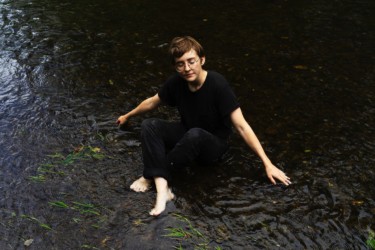
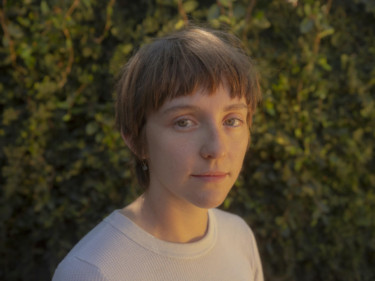
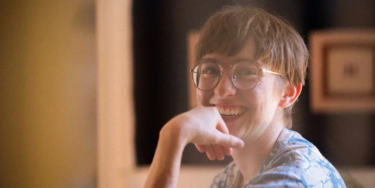
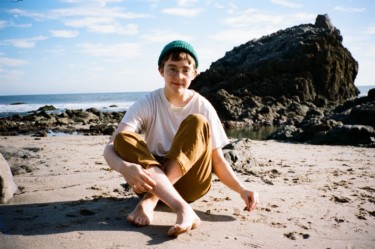
Photo Credit: V Haddad
編集:東海林修(UNCANNY)