![[Interview] COLA REN - “Mekong Ballad”|UNCANNY](https://uncannyzine.com/wp-content/themes/uncanny_v6/common/images/logo.svg)


- INTERVIEWSDecember/10/2025
-
[Interview] COLA REN - “Mekong Ballad”

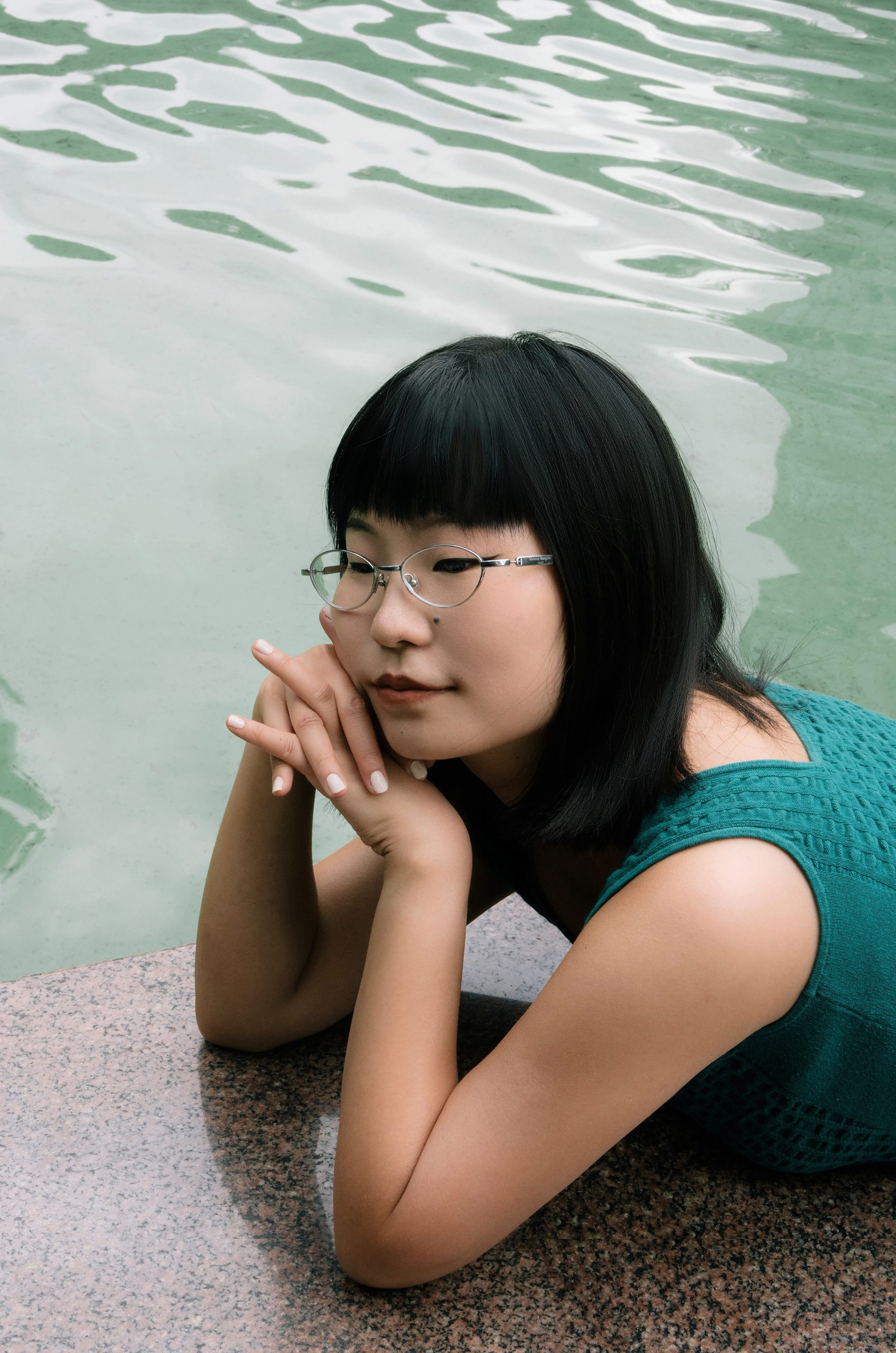
中国・広州を拠点に活動するプロデューサー/DJ、COLA REN。クラシックピアノや美術写真の素養を持ち、ロンドン、ロサンゼルス、北京、上海など多様な都市を渡り歩いてきた彼女。その経験の延長線上に、都市のざわめきと東アジアの自然の静けさ、そしてその間に横たわる“気配”を捉えようとする試みが少しずつ形を帯びてきた。
最新作『Mekong Ballad』では、その感覚がより輪郭を得る。湿った空気、川の息づき、月光に照らされた水面の揺らぎ──いわゆる機械的な構造ではなく、その場の“質感”と“気配”がサウンドとして立ち上がってくる。
インタビューでは、この作品に至る思索の過程、そしてこれからの活動に向けた視線を語ってもらった。
__音楽を始めた経緯や、現在の活動の軸について教えてください。また、クラシックピアノや美術写真といったバックグラウンドが、現在の音作りにどのような影響を与えていると感じていますか?
音楽は、ほとんど無意識のうちに作り始めていました。幼い頃からクラシックピアノを弾いていましたが、人や風景、瞬間を写真に収める年月を経てようやく、音にも写真と同じような感情の深さが宿ることに気づいたんです。音楽は、カメラで切り取れず、言葉で表現しきれないものを翻訳する手段になりました。
格式的な訓練は、構造や調和、感情のコントロールについて考えさせてくれました。写真は、質感や静けさ、奥行き、そして余白を観察することを教えてくれました。今では、その二つが私の表現の基盤として融合し、音は風景に、リズムは光に、そして作曲は視覚的な物語を語ることへと繋がっています。
__ロンドン、ロサンゼルス、北京、上海と、さまざまな都市で生活された経験がありますが、各地の環境や文化が自身のサウンドにどのような変化をもたらしましたか?
私がこれまで住んできたどの都市も、多文化が混ざり合う場所でした。出会ってきたさまざまな文化によって、私は常に影響を受け、揺さぶられ、そして刺激されてきました。それぞれの都市には固有のリズム、温度、風景があります。そうした印象が私の中に独自の視覚的、聴覚的イメージを形づくり、私の聴くことや創ることの在り方を静かに方向づけています。
このEP全体が、そのような瞬間から成り立っています。旅の中で集めた風景、人々、匂い、感情の断片が、音として再び編み込まれているんです。
__プレスリリースでは、作品が “人間への観察・内省・旅の経験” から着想を得ていると紹介されています。これらの要素は、今回の『Mekong Ballad』とどのようにつながっていますか?
私にとって「人間性の観察」とは、他者を観察することと同じくらい、自分自身を観察することも含んでいます。『Mekong Ballad』 には、2020年のカンボジアと2023年のタイへの旅で出会った、多くの小さくも強烈な印象が込められています。
たとえば「fallen papaya」という曲は、タイの道端で見た光景から生まれました。熟したパパイヤが地面に落ちていて、その形や色、そして香りまでもが私に鮮やかに焼きつき、その瞬間の空気感が曲の質感の土台となったんです。
このEP全体が、そのような瞬間から成り立っています。 旅の中で集めた風景、人々、匂い、感情の断片が、音として再び編み込まれているんです。
__『Mekong Ballad』は、初めて自身の“声”を全面的に取り入れた作品とのことですが、声を用いる判断に至ったきっかけを教えてください。
厳密に言うと、これが初めて声を使った作品というわけではありませんが、中国語で具体的な歌詞をすべて歌うのは今回が初めてです。長い間、母語で歌うことに対して微かな抵抗感がありました。いわゆる「mother-tongue shame(母語羞恥)」のような感覚かもしれませんし、あるいは自分が育った環境で聴いてきた中国語の曲が主にポップスで、感情を直接的に、濃密に表現するものが多かったからかもしれません。その表現方法は自分の音楽とは馴染まず、自分自身も歌ものの音楽をあまり聴かないのです。
でも、J-Fever(小老虎)が私のために書いてくれた歌詞が、その考えを変えてくれました。歌詞は抽象的で、詩に近く、ストレートな物語ではなく、イメージをコラージュしたようなものです。表現には繊細さと余白があり、私の音楽の空気と自然に溶け合って、決して主張しすぎることがありません。だからこそ私は安心して、そしてインスピレーションを得て、自分自身で歌ってみようと思えたんです。私の声がこれほど意図的で存在感のある形で作品に入ったのは、これが初めてのことです。
__プレスリリースでは、“the breath of rivers” という表現や、水の流れと記憶が結びつくイメージが語られています。今回の作品では、どのような風景や体験がサウンドの核になったのでしょうか?
このプロジェクトの核となるサウンドスケープは、東南アジアの大河に根ざしています。きっかけは、J-Feverが書いた歌詞でした。彼がメコン川に触れていて、そのイメージが瞬時に私をタイやカンボジアを旅した記憶へと連れ戻したのです。
プノンペンでメコン川沿いの夕日を眺めたこと、そしてその旅の途中でマルグリット・デュラスの『愛人』を読んだことを思い出しました。あの川の雰囲気と本の空気感は、私の中で重なり合っています。それは、湿度が高く、親密で、時間の痕跡を宿した世界です。メコン川は複数の国をまたぎ、歴史や文化、変化の層を運ぶ、物語に満ちた川のように感じられます。
私はこの川のイメージと、東南アジアの湿った空気や質感、情緒的な風景を、EPの音の中に刻み込みたいと思いました。
__本作には、中国のフリージャズ奏者 tga(サックス)や、タイの即興演奏家 rrrrrm(トランペット)が参加していますが、彼らの演奏が作品の流れや質感にどんな変化をもたらしたと感じていますか?
彼らの即興演奏によって、楽曲に生命が吹き込まれました。彼らの呼吸がテンポを形づくり、有機的で予測できない質感を生み出しています。
制作の過程で、私はグリッドに頼りすぎないようにしました。むしろ、音が本来持つ自然なタイミング、つまりわずかな不完全さ、ためらい、呼吸が各曲の流れを形づくるようにしたんです。
__アンビエントの質感をベースにしながらも、本作では“the breath of rivers(川の呼吸)”や管楽器の息づかい、さらに“organic, human pulse(有機的な人間の鼓動)”とプレスリリースで述べられる要素が強く感じられます。制作において、こうした“呼吸”や“人間的な脈動”をどのように音の構造へ取り込んでいったのでしょうか?
制作の過程で、私はグリッドに頼りすぎないようにしました。むしろ、音が本来持つ自然なタイミング、つまりわずかな不完全さ、ためらい、呼吸が各曲の流れを形づくるようにしたんです。サックスやトランペットでは、ブレスノイズや完璧ではないアタックもそのまま残し、人間の痕跡そのものを質感の一部としました。
このEPの拍は、いわゆる一般的なビートではありません。歩くペース、空気の動き、川の流れの速度が変化するような、より有機的で身体的なリズムなんです。
__CD版のみに収録されるMong Tong、Guohan、Wu Zhuolingによるリミックスは、作品をどのように別の方向へ導いてくれたと感じていますか? 特に驚きだった解釈があれば教えてください。
3つのリミックスはそれぞれまったく異なる感情的な空間を開き、参加したアーティストはみんな、とても独自性のある表現をプロジェクトにもたらしてくれました。
Mong Tongは原曲の儀式的でサイケデリックな要素を強調し、ほとんどセレモニーのような作品へと昇華させました。Guohanは複雑なコードと進行的な動きを取り入れ、より都会的でグルーヴのあるエネルギーを曲に与えています。Wu Zhuolingのバージョンは、繊細なメロディーと明るいリズムの質感によって、温かさと流れ、そして静かな生命力を曲に吹き込んでいます。3人のアーティストは共通して『Mekong Ballad』の感情的な核をつかみ、それを私が想像もしなかった世界へと運んでくれたんです。
__〈AMWAV〉を設立していますが、レーベル運営が自身の制作姿勢に与えた影響や、新たに見えてきた視点があれば教えてください。
一人で音楽を作ることと比べて、レーベルを運営し、自分自身とほかのアーティストの作品をリリースすることは、まったく異なる視点を与えてくれました。コミュニケーション能力が向上し、業界が実際にどのように動いているのかも理解できるようになりました。そこには聴くこと、調整すること、計画すること、そして何より、忍耐と寛容さが求められます。
この経験は、私をより忍耐強く、より寛大にしてくれました。アーティスト自身、彼らの物語、そして個々の曲だけでなく作品の背後にある長期的な創作の流れに耳を澄ますことを教えてくれたんです。
また、コミュニティへの理解も深まりました。創造性は孤立した場所ではあまり育ちません。共有された空間や相互の支え合いの中で育っていきます。この視点の変化は、自分自身の音楽にも影響を与え、私の作品がどのように他者とつながるのかを、以前より意識するようになりました。
__最後に、今後の活動や、次の作品に向けて見据えている方向性があれば、可能な範囲で教えてください。
現在、私は初のフルアルバムに取り組んでいます。これまでの作品よりも、より明確なテーマと、より完成された構造を持つものにしたいと考えています。同時に、世界中のもっと多くの場所で演奏したいとも思っています。さまざまな観客や音楽家との出会いは、いつも私の創作プロセスを豊かにしてくれるからです。
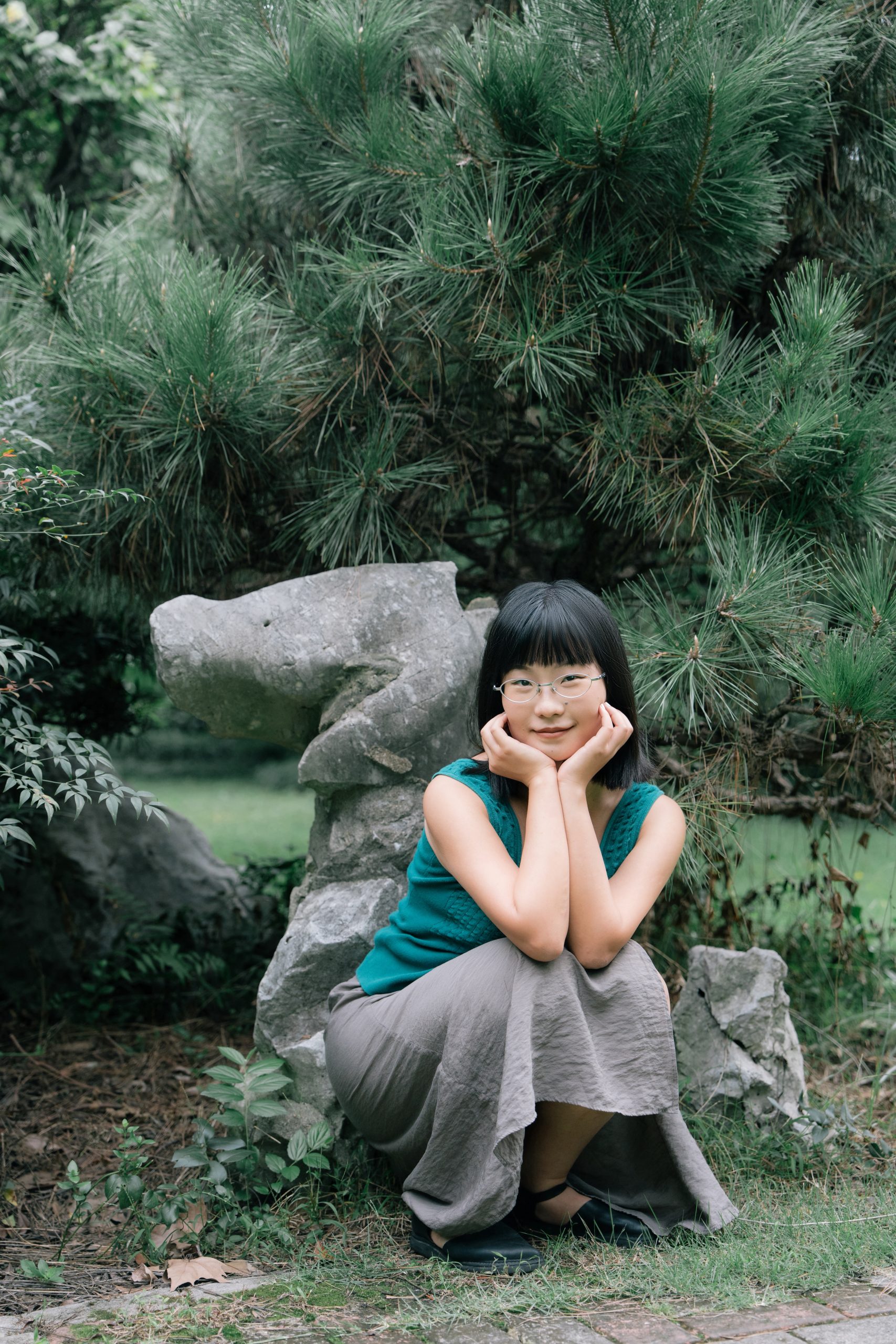
Could you tell us how you first began making music and what currently forms the core of your artistic practice? Also, how do you feel your background in classical piano and fine-art photography has influenced the way you approach sound today?
I started making music almost unintentionally. I had been playing classical piano since childhood, but it wasn’t until much later—after years of photographing people, places, and moments—that I realised sound could hold the same emotional density as an image. Music became a way to translate things I couldn’t frame with a camera or articulate in words.
Classical training taught me structure, harmony, and emotional discipline. Photography taught me to observe: texture, silence, depth, and negative space. Today, these two foundations merge into my artistic practice—sound as landscape, rhythm as light, and composition as visual storytelling.
You’ve lived in various cities including London, Los Angeles, Beijing, and Shanghai. How have the environments and cultures of these different places shaped or transformed your sound?
Every city I’ve lived in has been a multicultural melting pot. I’ve been constantly shaped, challenged, and inspired by the different cultures I encountered. Each city carries its own rhythm, temperature, and landscape. These impressions form distinct visual and sonic images in my mind, and they quietly shape the way I listen and create.
The press release notes that your work draws inspiration from “observations of humanity, introspection, and travel experiences.” How do these elements connect specifically to Mekong Ballad?
To me, “observations of humanity” include observing others as well as observing myself. Mekong Ballad carries many impressions from my travels to Cambodia in 2020 and Thailand in 2023—small but powerful moments that stayed with me.
For example, the track “fallen papaya” was inspired by something I saw on the road in Thailand: a ripe papaya had fallen onto the ground. Its shape, its colour, and even its scent struck me so vividly that the atmosphere of that moment eventually became the textural foundation of the track.
The entire EP is built from moments like this—fragments of landscapes, people, smells, and emotions collected during my travels, woven back into sound.
Mekong Ballad is described as your first work to fully incorporate your own “voice.” What prompted the decision to use your voice so prominently this time?
Strictly speaking, this isn’t the first time I’ve used my voice, but it is the first time I’ve sung full, concrete lyrics in Chinese. For a long time, I felt a subtle resistance toward singing in my mother tongue—perhaps a form of “mother-tongue shame,” or perhaps because the Chinese songs I grew up with were mostly pop, with very direct and emotionally saturated lyrics. That mode of expression never felt compatible with my music, and I rarely listen to vocal-heavy music myself.
But the lyrics J-Fever (小老虎) wrote for me changed my mind. They are abstract, more like poetry—collages of imagery rather than straightforward storytelling. The expression is subtle and spacious, and it blends naturally with the atmosphere of my music without overpowering it. Because of this, I felt comfortable and inspired to try singing them myself. It became the first time my voice entered a project in such a present, intentional way.
The press release refers to expressions such as “the breath of rivers,” and suggests that water flow and memory are closely intertwined in this project. What kinds of landscapes or experiences formed the core of the sound on this record?
The core soundscape of this project is rooted in the rivers of Southeast Asia. The initial spark actually came from the lyrics J-Fever wrote—he mentioned the Mekong River, and that image immediately transported me back to my travels in Thailand and Cambodia.
I remembered watching the sunset along the Mekong in Phnom Penh, and reading Marguerite Duras’ ’The Lover’ during that trip. The mood of the river and the atmosphere of that book overlapped in my memory—humid, intimate, and marked by the traces of time. The Mekong crosses several countries and carries layers of history, culture, and change. It feels like a river full of stories.
I wanted to imprint my own imagination of this river—and the humid air, textures, and emotional landscapes of Southeast Asia—into the sound of this EP.
This EP features contributions from Chinese free-jazz musician tga (saxophone) and Thai improviser rrrrrm (trumpet). In what ways did their performances affect the flow or texture of the work?
Their improvisations made the tracks feel alive. Their breathing shaped the pacing, creating an organic and unpredictable texture.
Although the EP is rooted in an ambient sensibility, it strongly conveys elements described in the press release—such as “the breath of rivers,” the physicality of wind instruments, and an “organic, human pulse.” How did you integrate these forms of “breath” and “human pulse” into the structural fabric of the music during the creation process?
During the creation process, I avoided relying too heavily on the grid. Instead, I allowed the natural timing of sounds—their tiny imperfections, hesitations, and breaths—to shape the flow of each piece. With the saxophone and trumpet, I kept the breath noises and the imperfect attacks, so their human trace became part of the texture.
The pulse of this EP is not a conventional beat—it’s a more organic, bodily rhythm: like the pace of walking, the movement of air, or the changing speed of a river.
The CD edition includes remixes by Mong Tong, Guohan, and Wu Zhuoling. How did their interpretations lead the work in new directions? Were there any approaches that particularly surprised you?
The three remixes each opened up completely different emotional spaces, and every artist brought a very distinctive voice to the project.
Mong Tong amplified the ritualistic and psychedelic qualities of the original, turning it into something almost ceremonial. Guohan introduced complex chords and progressive movement, giving the track a more urban and groove-oriented energy. Wu Zhuoling’s version, through delicate melodies and bright rhythmic textures, she infused the track with warmth, flow, and a quiet sense of vitality. All three artists captured the emotional core of Mekong Ballad and carried it into worlds I would never have imagined.
You also run the label AMWAV. How has managing a label influenced your own creative approach, and has it offered you any new perspectives?
Compared to creating music alone, running a label and releasing work for myself and for other artists has given me a very different perspective. It improved my communication skills and helped me understand how the industry actually operates. It requires listening, coordinating, planning—and above all, patience and generosity.
This experience made me more patient and more generous. It taught me to listen deeply: to artists, to their stories, and to the long-term creative arcs behind their work, rather than focusing only on individual tracks.
It also strengthened my understanding of community. Creativity rarely develops in isolation—it grows in shared spaces, through mutual support. This shift in perspective has influenced my own music as well, making me more aware of how my work connects with others.
Finally, could you share anything—within what you can reveal—about your upcoming activities or the direction you envision for your next work?
I’m currently working on my first full-length album. I want it to have a clearer theme and a more complete structure than my previous releases. At the same time, I hope to perform in more places around the world—meeting different audiences and musicians always feeds into my creative process.

Mekong Ballad
1. Mekong Ballad
2. Be Water
3. Fallen Papaya
4. Ripples
5. A Sudden Wind
CD edition:
6. Mekong Ballad (Guohan’s Dub)
7. Mekong Ballad (Mong Tong Remix)
8. Mekong Ballad (Wu Zhuoling Remix)
Credits:
Composed and produced by Cola Ren
Lyrics on track 1 written by 小老虎 J-Fever
Tenor saxophone on track 1 by tga
Trumpet on track 2 by rrrrrm
Artwork by Lanxin Zhao
Calligraphy on CD by Popol Wu
Mastered by Tristan Arp
編集:東海林修(UNCANNY)

